

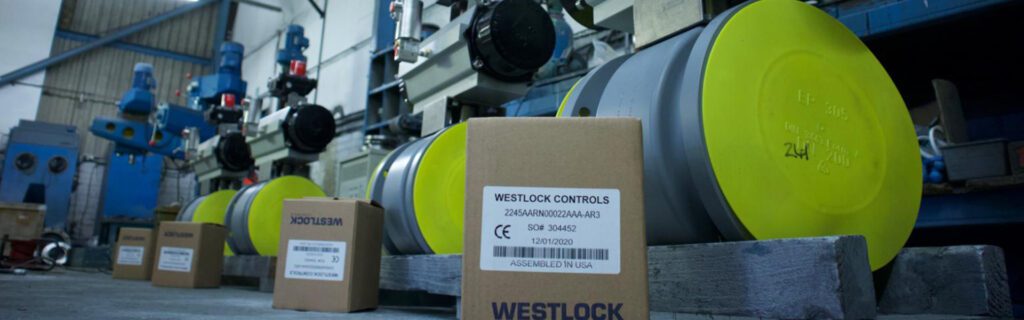
At John Clark Valves Ltd, we provide complete valve actuation packages engineered for performance, reliability, and control. Our extensive range includes electric, electro-hydraulic, hydraulic, and pneumatic actuators, suitable for all valve sizes, pressure classes, and operating environments across industries such as oil and gas, petrochemical, and power generation.
We supply quarter-turn, multi-turn, and modulating actuation solutions, each designed to deliver precise operation and long service life. Every package can be customised using carbon steel, low-temperature carbon steel, or stainless-steel components, with full integration of ancillary equipment such as solenoid valves, switchboxes, positioners, gearboxes, manual overrides, and spring-return units.
Whether you require manual to fully automated actuation, we deliver tailored solutions that ensure seamless control, operational safety, and efficiency.
Speak to our technical team today to discuss your actuation requirements or request a quotation for your next project.
At John Clark Valves Ltd, we supply valve actuators designed to deliver reliable control, precise movement, and long-term performance across demanding industrial environments. Our complete actuation packages support full valve automation, allowing you to operate valves safely, efficiently, and consistently across a wide range of applications.
We work with electric, pneumatic, hydraulic, and electro-hydraulic actuators, suitable for small valves through to larger valves, across all pressure ratings. Our valve solutions integrate seamlessly with butterfly valves, ball valves, globe valves, and control valves used throughout oil and gas, petrochemical, power generation, and process industries.
Electric actuators provide dependable operation where accurate positioning and repeatable control matter most. An electric valve actuator uses an electric motor as its power source to move the valve stem and control valve position with precision.
Most electric actuators connect directly into a wider control system, responding to a control signal that opens, closes, or modulates the valve as required. Integrated limit switches and position feedback ensure consistent movement and reliable operation throughout the full operating range. These actuators suit applications where compressed air is unavailable or where fine control and steady performance are essential.
A pneumatic actuator uses compressed air to generate force and operate the valve. This method offers fast response times, robust performance, and high reliability in harsh or hazardous environments.
Pneumatic valve actuators work particularly well with quarter turn valves and linear motion applications, making them suitable for both isolation and control duties. Stable air pressure and a consistent air supply allow the actuator to operate smoothly, maintaining accurate valve position even when process conditions change.
Pneumatic valve actuators support both rotary and linear valve movement, depending on the valve design. Rotary pneumatic actuators commonly operate butterfly and ball valves, while linear actuators suit rising stem valves, plug valves, and diaphragm-based control valves.
These actuators convert air applied to controlled mechanical movement, ensuring the valve opens, closes, or modulates in the same way during every cycle. When paired with a positioner, the actuator maintains precise control across varying pressure and flow conditions.

Actuators can be configured as double acting or single acting depending on how the valve must operate. A double acting actuator applies air pressure in both directions, delivering consistent torque and controlled movement throughout the stroke.
Spring return designs use stored spring force to move the valve to a predefined position during power failure or air loss. This fail-safe function ensures the valve moves to a safe position, either fail open or fail closed, protecting the system and maintaining safe operation.
There are two main types of valve actuators used across industrial applications: electric and pneumatic. Within these, several common types exist, including piston actuators, diaphragm actuator designs, vane actuators, and scotch yoke mechanisms.
Each actuator type offers different torque characteristics, force output, and movement profiles. Selection depends on valve size, pressure conditions, required speed, and control accuracy. Choosing the correct design ensures reliable operation and extends the service life of both the actuator and the valve. We can supply actuators that suit all types of valves, including forged valves and cast steel valves.

Our complete actuation packages combine the valve, actuator, and all associated equipment into a single, integrated assembly. This includes solenoid valves, positioners, switches, manual overrides, and air preparation equipment where required.
By supplying fully assembled and tested packages, we reduce installation time, improve system compatibility, and ensure dependable performance from day one. Each package supports smooth operation, accurate control, and long-term reliability across your system.
You benefit from technical expertise, proven actuator manufacturers, and tailored solutions designed around your application. We support projects from specification through to supply, helping you achieve reliable valve automation across pressure, flow, and operating conditions.
If you need valve actuators, electric actuators, pneumatic valve actuators, or fully engineered actuation packages, contact John Clark Valves Ltd today. We’ll help you specify the right solution and deliver dependable performance for your next project.
All associated ancillary equipment
What service do you require?
Please enter your contact details:
Please upload images related to your issue:
Thank you! Someone will be in touch with you shortly.

Are you looking for a new website? Contact Outrank Today