Free Estimate

Why Cast vs Forged Steel Valves Matter

Insights from Tocina & Co. – Supplied by JCV

When it comes to selecting industrial valves, one of the most critical technical decisions lies in choosing between cast steel and forged steel valves. While both serve vital roles across industries such as oil and gas, power generation, petrochemicals, and utilities, the choice can significantly impact long-term system reliability, safety, and cost-effectiveness.

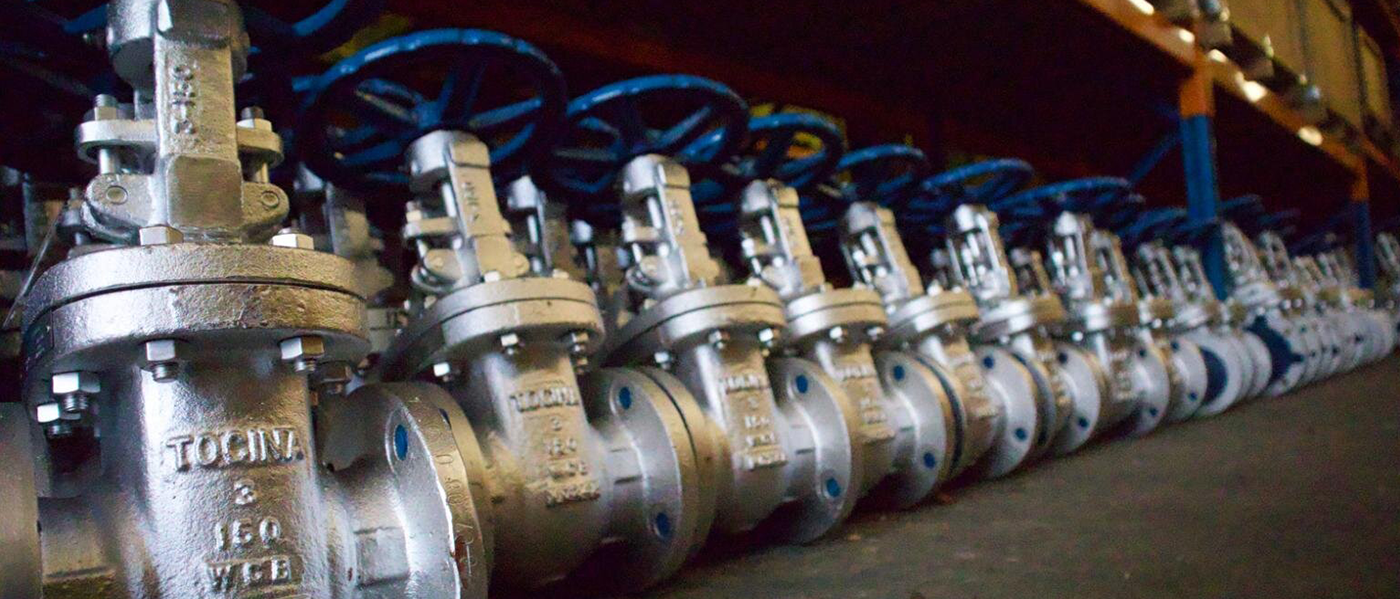
At JCV, we proudly distribute the Tocina ES line – a premium valve range known for engineering precision and performance, available in both cast and forged steel options. Understanding the differences between these manufacturing methods helps engineers and procurement professionals make the right choice for their application.


Why Cast vs Forged Steel Valves Matter

Cast vs Forged Steel Valves: The Manufacturing Difference

Cast Steel Valves

These valves are produced by pouring molten steel into moulds, allowing it to cool and solidify into a specific shape. This method is particularly advantageous for complex geometries or high-volume production.

Process Benefits:

  • Suitable for large valve bodies with intricate internal passageways
  • Lower tooling costs for small-to-medium production runs
  • Ideal for customised or special pattern valves
  • Flexible use of alloy steels and corrosion-resistant materials

Forged Steel Valves

Forging involves compressing and shaping steel under high pressure while in a semi-solid or heated state. This process aligns the grain structure, resulting in a denser and more uniform material.

Process Benefits:

  • High mechanical strength and structural integrity
  • Lower risk of internal voids, shrinkage, or inclusions
  • Suitable for smaller, high-pressure valve classes
  • Often machined from solid blocks or forged blanks for precision

Key Advantages of Cast Steel Valves

Cast valves are ideal for applications where cost efficiency, design complexity, and large diameters are prioritised over extreme pressure or thermal performance.

Typical Benefits:

  • Cost-effective: Ideal for medium- to large-bore valves where forging would be costly
  • Versatility in Shape: Allows for more complex flow paths or cavity designs
  • Material Diversity: Easy to cast with specialised alloys for chemical compatibility
  • Common Uses: General-purpose industrial systems, district heating, water treatment, oil and gas distribution

Example Use Case: A 10” cast steel gate valve used in a utility network where moderate pressures are expected and budget considerations are key.


Why Cast vs Forged Steel Valves Matter

Key Advantages of Forged Steel Valves

Forged valves are selected for their exceptional performance under high pressure, temperature, and mechanical stress. They offer superior toughness and reliability, even in the most demanding applications.

Typical Benefits:

  • Superior Strength: Forged grain structure provides resistance to impact, fatigue, and thermal cycling
  • Better Pressure Handling: Ideal for systems with high-pressure ratings (Class 800, 1500, 2500)
  • Enhanced Reliability: Reduced risk of cracking or porosity, ensuring long-term performance
  • Preferred Industries: Petrochemical, offshore oil rigs, steam systems, nuclear and thermal power plants

Example Use Case: A Class 1500 forged steel globe valve managing steam flow in a thermal power generation facility.

Tocina ES: Engineered for Performance & Reliability

The Tocina ES valve range, supplied exclusively through JCV, provides a complete solution for engineers seeking quality, compliance, and durability. Tocina’s cast and forged steel valves are manufactured to stringent international standards, delivering peace of mind for mission-critical infrastructure.

Key Features:

  • Gate, globe, and check valve designs
  • ANSI and DIN standards
  • Full range of pressure classes – from Class 150 to Class 2500
  • Available in WCB, WC6, LCB, CF8M, F22 and other grades
  • Optional features: hard-facing, cryogenic trims, locking devices

Whether you need a robust forged steel valve for high-pressure steam or a cost-effective cast valve for general utility service, Tocina ES has you covered.


Making the Right Choice: Cast vs Forged – Which Is Best for Your Application?

Feature Cast Steel Valve Forged Steel Valve
Manufacturing Process Molten steel poured into mould Steel shaped under high pressure
Size Range Ideal for larger diameters Suited to small-to-medium sizes
Strength & Integrity Moderate High – dense grain structure
Pressure Handling Class 150–600 Class 800–2500
Typical Use Utilities, water, general industry Power, petrochemical, offshore
Cost More cost-effective More expensive per unit

Expert Technical Support from JCV

Choosing the wrong valve material or manufacturing type can result in leaks, failures, or unnecessary replacements. That’s why at JCV, we offer more than just supply – we offer expertise.

Our support includes:

  • Application analysis based on pressure, temperature, and media
  • Assistance with datasheets, CAD drawings, and technical submittals
  • Valve modification and actuator mounting if required
  • In-house inspection and certification (e.g., PMI, hydro, DP, RT)

We’re here to help you make the right decision – first time, every time.

Speak to a Valve Expert Today

Whether you’re designing a new pipeline system or replacing legacy valves on a shutdown, we’ll guide you to the right choice for your budget, pressure class, and environment.

Call us: 01484 865786
Email: sales@jcvltd.com
Visit: https://www.jcvltd.com
What to Look for in a Reliable Valve Distribution Partner

Choosing the right valve distributor isn’t just a matter of procurement – it’s a strategic decision that affects the integrity, safety, and performance of your entire system. Whether you’re managing a chemical processing facility, maintaining infrastructure for a utility provider, or supporting a shutdown at a refinery, the reliability and responsiveness of your valve supplier can directly influence operational uptime, compliance, and costs.

Here’s a detailed breakdown of the critical qualities to look for in a dependable valve distribution partner.


1. Extensive Stock Availability & Product Range

A trusted UK valve distributor should maintain a robust and diverse inventory that can support both routine requirements and unexpected emergencies. Stock availability translates directly to operational continuity – especially during time-sensitive maintenance windows or shutdowns.

Look for distributors that:

  • Stock a broad portfolio of valve types (ball, gate, globe, check, butterfly, control valves, etc.)
  • Cover a wide range of pressure classes and international standards (ANSI, DIN, JIS)
  • Provide valves made from materials suitable for aggressive or corrosive media (carbon steel, stainless steel, duplex, bronze, etc.)
  • Offer a variety of end connections (flanged, threaded, socket weld, butt weld)

Companies like JCV stand out for their capability to offer over 20,000 SKUs, enabling rapid fulfilment for everything from standard industrial valves to highly specialised components.


Valve Distributors UK


2. In-House Technical Expertise & Application Support

Selecting the right valve goes beyond choosing dimensions and materials – it involves engineering insight into system pressure, media compatibility, flow characteristics, temperature ratings, and operating conditions. A good distributor should act as an extension of your engineering team.

Key attributes include:

  • Knowledgeable sales engineers who can interpret P&IDs, datasheets, and technical drawings
  • Support in selecting valves based on CV values, flow dynamics, and safety considerations
  • Guidance on compliance with environmental and industry-specific regulations
  • Experience across sectors such as petrochemical, pharmaceutical, district heating, water treatment, and energy

JCV, for example, offers tailored technical support to ensure clients select fit-for-purpose valves that maintain system integrity and avoid performance issues down the line.


3. Quality Assurance, Testing & Compliance

The valves you specify must be traceable, certified, and compliant with industry regulations – especially in safety-critical applications. Your distribution partner should have rigorous quality control processes and the ability to provide full documentation and test reports.

Look for a distributor that offers:

  • Certifications for global standards (API 6D/600/607, ISO 9001, PED, ATEX, SIL)
  • Material traceability and heat number verification
  • In-house non-destructive testing (NDT) such as:
    • Hydrostatic pressure testing for leak integrity
    • Positive Material Identification (PMI) to verify alloy content
    • Dye penetrant (DP), Magnetic particle (MT), and Radiographic testing (RT) for weld and casting integrity
  • Comprehensive quality documentation and test certification with every shipment

JCV’s integrated QA process helps reduce the risk of non-conformance on site, ensuring every valve delivered is fit for du


4. Fast Turnaround, Emergency Support & Reliability

Delays in valve supply can shut down entire systems and cost thousands per hour in lost productivity. A responsive distribution partner should offer flexible turnaround options and a robust logistics setup to meet urgent demands.

Consider whether the distributor:

  • Offers same-day or next-day delivery for urgent requirements
  • Can support weekend or out-of-hours breakdown situations
  • Maintains a real-time inventory management system
  • Has local or regional distribution hubs to reduce shipping times

JCV’s ability to support rapid dispatch and emergency requests – even during unscheduled outages – gives maintenance teams a crucial safety net, especially during planned turnarounds or crisis events.


5. Value-Added Services That Go Beyond Supply

A great valve distributor does more than ship products – they deliver solutions. Value-added services can simplify your procurement process, reduce installation time, and improve overall reliability.

Look for services such as:

  • Actuator assembly and factory-fit solutions for automated control systems
  • Custom tagging and packaging for project identification and site staging
  • Pre-delivery testing and inspection to meet end-user requirements
  • Project kitting for site efficiency – grouping related components by system
  • Lifecycle support and spares management for long-term asset performance

JCV’s holistic service model ensures that every valve arrives site-ready, saving time for installers and engineers, while maintaining full compliance with project specifications.

Why the Right Valve Distributor Matters

In today’s fast-paced industrial landscape, downtime isn’t just inconvenient – it’s costly and potentially dangerous. By choosing a reliable valve distribution partner, you gain a crucial ally in your supply chain – one that helps you:

  • Maintain safety and regulatory compliance
  • Keep critical assets online and performing efficiently
  • Adapt quickly to changing demands or emergencies
  • Deliver projects on time and on budget

Whether you’re outfitting a new facility or maintaining aging infrastructure, the right distributor doesn’t just deliver valves – they deliver peace of mind.


Need help choosing the right valve partner?

Contact JCV today to find out how our stock, expertise, and service can help you stay ahead of the curve.

AUGUST 2021 – NEW WEBSITE LAUNCH

JCV are excited to announce that our new, re-developed website has now launched! The site features a clean new look alongside fresh up to date information on the range and offerings at JCV. We also have product datasheets stored on the website for our customers convenience plus links to our social media platforms. Check back soon for more news, product releases and more from JCV.


JCV Increase TOCINA Range

JCV as sole UK distributor for the TOCINA (Spain) range of Gate, Globe & Check Valves have continued to increase its range and stock holding at the premises on Teesside. The range, which is now in stock, includes forged & cast steel valves, flanged, screwed and socket weld. Undrilled flanged valves are also available, and can be drilled to customer requirements.