Free Estimate

How Actuated Valves Improve Efficiency in Industrial Plants

Modern industrial plants rely on controlled, reliable, and safe valve operation to keep processes running smoothly. Actuated valves help you achieve this by delivering faster movement, consistent accuracy, and improved flow control across complex systems. When you combine the right valve with the right actuation method, you increase efficiency, protect your equipment, and reduce downtime across your operation.

Why do actuated valves improve process efficiency?

Actuated valves give you consistent control without relying on manual intervention. You benefit from smooth operation that maintains accurate flow, pressure, and fluid direction, even when systems run at high demand.

Actuators provide a controlled force that positions the valve with precision. This keeps your process stable and reduces the risk of human error. Whether you work in oil and gas, chemical processing, power generation, or manufacturing, actuated valves help you improve performance throughout your system.

How do pneumatic actuators support fast and reliable control?

Pneumatic actuators use compressed air to move the valve quickly and safely. They give you strong performance in environments that require rapid cycling or where electrical equipment is unsuitable.

You gain several advantages from pneumatic actuators:

  • Fast and reliable operation
  • Strong torque output
  • Safe operation in hazardous atmospheres
  • Simple maintenance
  • Long service life

Pneumatic actuation works well with ball valves, butterfly valves, and control valves across gas, air, and fluid handling systems. Their quick response helps you maintain stable flow and pressure during sudden changes in demand.

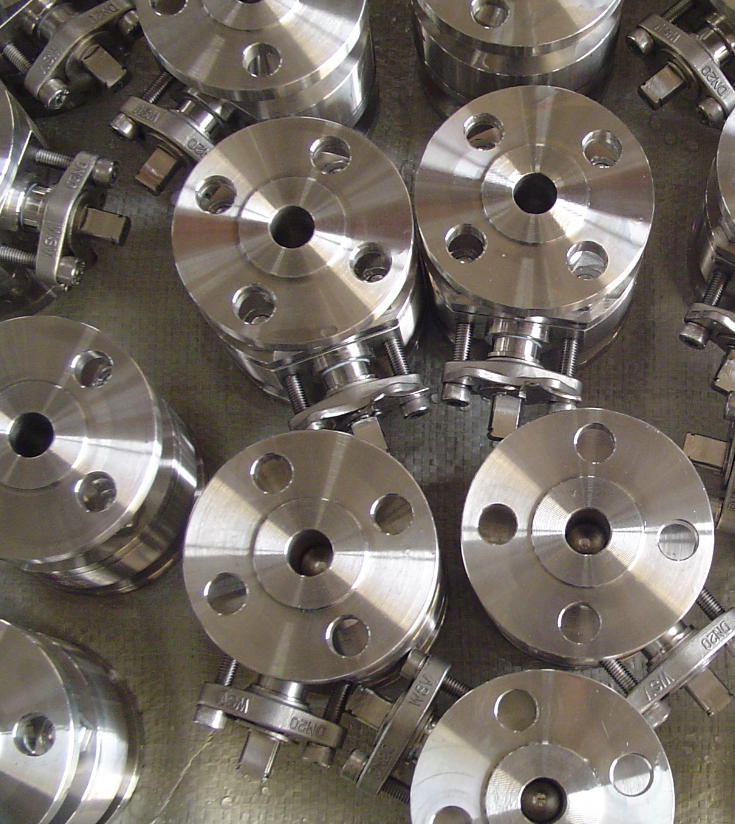
Fire Safety Valves

What benefits do electric actuators offer in modern plants?

Electric actuators provide precise movement, controlled positioning, and high accuracy. You can use them when you need exact control over valve position, repeatable function, and clear feedback on operation.

Electric actuators support:

  • Precise flow control
  • Accurate throttling
  • Smooth operation
  • Integration with digital control systems
  • Reduced maintenance

They are ideal for applications that require fine adjustment, such as chemical dosing, steam control, or process automation. With electric actuation, you gain stable, predictable valve movement that improves the efficiency of your entire system.

How do actuated valves improve safety and reduce downtime?

Actuated valves improve safety in a range of industries by removing the need for manual operation in hazardous or hard-to-access areas. You avoid the risk of human error and reduce the chance of accidents during operation.

Your plant benefits from:

  • Consistent, controlled valve movement
  • Reduced stress on internal components
  • Lower risk of backflow or pressure spikes
  • Minimal operator involvement
  • Faster isolation in emergency situations

With fewer manual interventions, your system runs more smoothly, and your maintenance schedule becomes more predictable. This reduces downtime and helps you focus on reliable performance throughout your site.
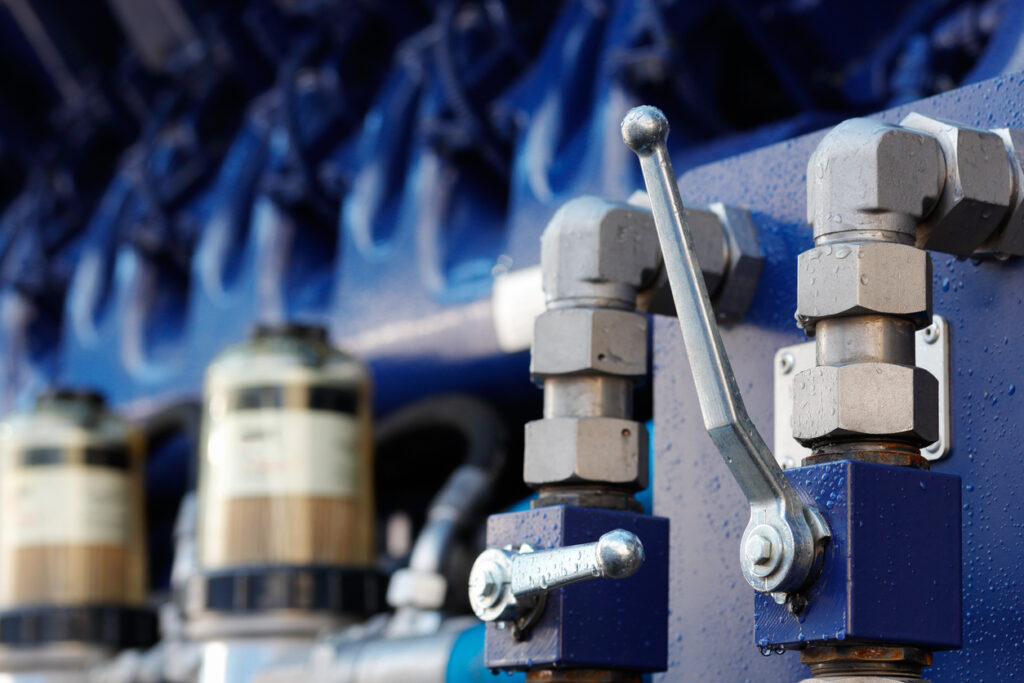
Industrial Ball valves

How can actuation improve long-term performance across your plant?

When you use actuated valves, you support long-term performance across your entire operation. Actuators deliver controlled movement that protects valve seats, stems, and internal components. This reduces wear and extends valve life.

You also reduce energy loss and improve flow control, which enhances the overall efficiency of your process. Whether you choose pneumatic, hydraulic, or electric actuation, the right solution helps you maintain quality, reliability, and safe operation across your plant.

Speak to John Clark Valves Ltd for complete actuation solutions

If you need actuated valves, pneumatic actuators, or full valve automation packages, contact John Clark Valves Ltd today. Our team will guide you through the best options for your system and deliver reliable actuation solutions for your next project.
Common Causes of Valve Failure and How to Prevent Them

Valve failure can cause leaks, unplanned shutdowns, and expensive repairs. In high-pressure or high-temperature systems, a failed valve can also create serious safety hazards. The good news is that most failures are avoidable. By understanding the main causes and applying proven prevention steps, you can extend service life and reduce downtime.

This guide outlines the leading causes of industrial valve failure, how they happen, and what you can do to stop them.

Why Do Valves Fail in Industrial Systems?

Valves are exposed to constant stress. They manage flow, regulate pressure, and protect systems from overloading. Over time, mechanical wear, corrosion, or damage from incorrect use can reduce their performance.

In many cases, failure is linked to a mismatch between valve specification and service conditions, poor installation, or a lack of maintenance. When these risks are addressed from the start, valve performance improves, and costly breakdowns are less likely.

How Does Wear Lead to Valve Failure?

Every movement of a valve creates friction between internal components such as seats, seals, stems, and discs. Over time, this wears away surface finishes and reduces sealing effectiveness. Systems with abrasive media, such as slurry or unfiltered process water, accelerate wear.

Wear can show up as:

  • Leaks around the seat

  • Difficulty operating the valve

  • Reduced ability to shut off flow completely

Prevention:

  • Specify a valve with materials and seat types suited to the operating cycle

  • Use the correct sealing material for the medium — for example, PTFE for chemical resistance or metal seats for high-temperature service

  • Fit strainers or filtration to remove abrasive particles before they reach the valve

  • Schedule inspections to check for uneven wear and replace parts before failure occurs

Why Is Corrosion a Major Threat?

Corrosion weakens valve bodies, stems, and fasteners, and can lead to leaks or structural collapse. It happens when the valve material reacts with the medium or the surrounding environment. For example, carbon steel valves in seawater service will corrode rapidly without protective measures.

Corrosion problems include:

  • Pitting and rust on the body or bonnet

  • Sticking stems caused by oxide build-up

  • Loss of wall thickness, leading to pressure loss or rupture

Prevention:

  • Select corrosion-resistant materials such as stainless steel or bronze for challenging environments

  • Apply protective coatings or linings where possible

  • Drain and flush valves not in constant use to prevent stagnant conditions

  • Monitor valves in aggressive environments with regular inspections and non-destructive testing where appropriate

How Do Pressure Surges Damage Valves?

Pressure surges, also known as water hammer or shock loading, occur when flow changes direction or speed suddenly. This creates a rapid spike in pressure that can damage seats, discs, and actuators, or even crack the valve body.

Pressure surge damage often appears as:

  • Distorted sealing faces

  • Fractured seats or discs

  • Loose or damaged fasteners

Prevention:

  • Install surge arrestors, dampers, or slow-closing actuators

  • Train operators on correct valve operation speeds

  • Choose valves with robust seats and supports for systems prone to pressure fluctuation

  • After any surge incident, inspect valves for hidden internal damage before returning them to service

Close up of blue pressure valves

What Problems Come from Improper Installation?

Even the best valve can fail early if it is installed incorrectly. Common errors include misaligned flanges, overtightened bolts, or mounting the valve in the wrong orientation.

These issues can cause:

  • Excess stress on the valve body

  • Premature wear of seals and packing

  • Reduced operating performance from misaligned actuators

Prevention:

  • Follow the manufacturer’s installation instructions for bolt torque, gasket selection, and alignment

  • Ensure piping is properly supported to prevent excess load on the valve

  • Use installers with experience in the valve type and size

  • Confirm actuator calibration before starting operation

How Does Lack of Maintenance Cause Failures?

All valves require some level of maintenance, whether it’s regular cycling, lubrication, or part replacement. Without this, small problems develop into major failures. Sticking stems, hardened seals, and build-up inside the valve are common signs of neglected maintenance.

The risks include:

  • Valves locking in position

  • Leaks due to hardened or cracked seals

  • Pressure loss from internal debris

Prevention:

  • Create a maintenance plan based on service conditions, with clear intervals for inspection and servicing

  • Operate valves periodically to keep moving parts free

  • Replace seals, gaskets, and packing on schedule

  • Keep maintenance records to track valve performance over time

Why Correct Specification Matters

Incorrect specification is one of the most frequent causes of early valve failure. Choosing a valve with the wrong pressure rating, temperature limit, or material can shorten its life dramatically.

Incorrect specification leads to:

  • Rapid wear of internal components

  • Seal failure from incompatible materials

  • Structural failure from excessive pressure or temperature

Prevention:

  • Work with a supplier who understands your industry and operating requirements

  • Provide accurate data on medium, pressure, temperature, and flow rate before ordering

  • Consider not only current service conditions but also possible future changes

  • Avoid oversizing or undersizing the valve — both can cause operational inefficiencies and extra wear

Keep Your Valves Reliable with Expert Support

Valve reliability depends on three things: choosing the right product, installing it correctly, and maintaining it over time. By addressing the common causes of failure, you reduce downtime, improve safety, and lower total lifecycle costs.

At John Clark Valves Ltd, we supply industrial valves for every application, backed by technical expertise and decades of experience. We can assess your system, recommend the correct specification, and support you with installation and maintenance advice.

Contact us today to speak to a valve specialist and keep your operation running safely and efficiently.

Which Industrial Valve Is Best for Your Application?

Selecting the correct industrial valve is more than a matter of cost or preference. The choice affects safety, operational efficiency, compliance, and maintenance costs for years to come. The right valve improves control, reduces downtime, and ensures reliable performance under specific operating conditions. The wrong choice risks leakage, pressure loss, or mechanical failure.

At John Clark Valves Ltd, we supply a full range of industrial valves built to perform in sectors such as oil and gas, chemical processing, water treatment, power generation, marine, and manufacturing. This detailed comparison explains how each valve type works, its strengths, and the situations where it delivers the best results.

What Are the Main Valve Types You Can Choose From?

Valves are designed in many forms, but each type has features that suit particular conditions. The material, internal mechanism, and sealing method all influence how the valve behaves in service. At John Clark Valves Ltd, we focus on five key types:

The sections below cover the design principles, advantages, and best-fit applications for each.

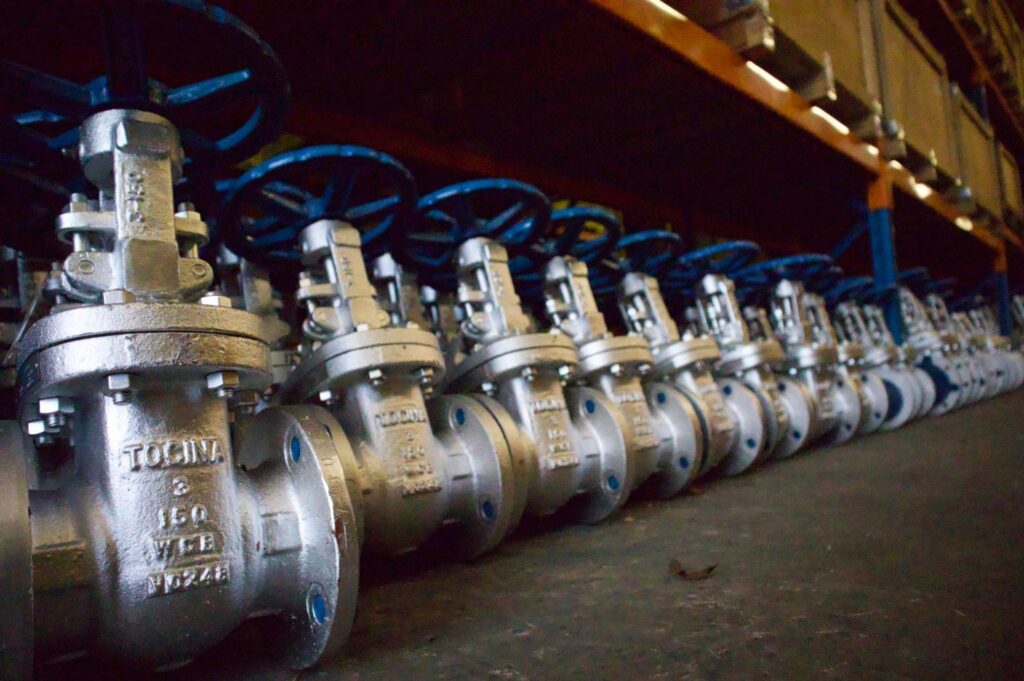
Row of valves


When Should You Use a Ball Valve?

Ball valves are quarter-turn valves that use a precision-machined ball with a bore through the centre. When the bore aligns with the pipeline, flow is at its maximum. A 90-degree turn of the handle or actuator closes the valve, creating a full shut-off.


You should choose a ball valve when:

  • You require a tight shut-off and minimal risk of leakage 
  • Your process needs quick on/off control without throttling 
  • You want a valve with a low-pressure drop and a smooth flow path 

Ball valves are widely used in both liquid and gas systems, including petrochemical lines, process plant isolation points, and fuel transfer systems. They have fewer moving parts than other designs, which reduces maintenance needs. Many are designed for bi-directional service, which adds installation flexibility.

Why Choose a Cast Steel Valve?

Cast steel valves are produced by pouring molten steel into moulds, creating a dense and solid body that can handle thermal stress and mechanical load.

They are suited for:

  • High-temperature processes such as steam, superheated water, and thermal oil 
  • High-pressure pipelines where structural integrity is essential 
  • Large-diameter lines where durability and stability are priorities 

Cast steel’s grain structure provides toughness and impact resistance. The casting process also allows for complex body shapes, which is beneficial for designs such as globe valves or large gate valves. These valves are common in power stations, chemical plants, and heavy industrial settings where service conditions fluctuate.

How Do Forged Steel Valves Compare?

Forged steel valves are made by compressing steel billets under high pressure, which aligns the internal grain structure and removes voids. This gives them greater tensile strength and resistance to thermal fatigue compared with cast bodies.

They are the right option when:

  • The system operates at very high pressures or extreme temperatures 
  • You need compact, high-strength components in confined spaces 
  • The service is critical and cannot risk premature wear or failure 

Forged steel valves are frequently used in high-pressure steam systems, offshore oil and gas platforms, and chemical processing facilities. Their high structural density means they can withstand pressure spikes and temperature swings without distortion.

What Makes a Butterfly Valve a Good Option?

Butterfly valves operate using a disc mounted on a central shaft. A quarter-turn moves the disc between the open and closed position, regulating or stopping flow.

They are ideal when:

  • Weight and space must be kept to a minimum 
  • You want a cost-effective valve for large-diameter pipelines 
  • The system requires throttling capability as well as shut-off 

Because of their simple design, butterfly valves are easy to install, operate, and maintain. They are widely used in water treatment plants, HVAC systems, and low-pressure gas lines. Advanced designs with resilient or high-performance seats can also handle more demanding services, including certain chemical and slurry applications.

When Should You Select a General Valve?

General valves is a category that covers a variety of valve types intended for standard industrial duties. These include options for gate, globe, and check valve designs in materials suitable for everyday service.

Choose general valves when:

  • The application is non-critical 
  • The pressure and temperature ranges are moderate 
  • Cost and quick availability are priorities 

They are a reliable choice for utility lines, plant maintenance, and low-pressure transfer systems. While they may not match the extreme performance of forged or cast steel designs, they provide solid service in less demanding conditions.

How Do You Decide Which Valve Is Best?

Selecting the right valve involves more than knowing the pipe size. You should define:

  • The medium: liquid, gas, steam, slurry, or mixed-phase 
  • Minimum and maximum operating pressures 
  • Minimum and maximum operating temperatures 
  • Flow control requirements, shut-off only, or throttling as well 
  • Operating frequency and actuation type (manual, electric, pneumatic, hydraulic) 
  • Available installation space and weight constraints 
  • Maintenance access and expected service intervals 

If rapid shut-off is essential, a ball valve is often the best fit. For high-temperature and heavy-duty service, cast steel valves offer strength and durability. Where extreme pressures and reliability are critical, forged steel valves are the preferred choice. For lightweight, large-diameter systems, butterfly valves provide a cost-effective solution. For standard duties, general valves deliver practical performance.

Speak to a Specialist for the Right Solution

Every industrial system has unique demands, and the wrong valve choice can reduce efficiency or cause unnecessary downtime. At John Clark Valves Ltd, we supply industrial valves backed by technical expertise and real-world industry experience. We take the time to understand your operating conditions and recommend solutions that work long term.

Contact us today to speak with a valve specialist and get the right product for your application.


Understanding Pressure Ratings: ANSI, PN & Beyond

Choosing the right valve for your system starts with knowing how much pressure it can handle. The pressure rating tells you the maximum pressure a valve can manage without risk of leaking, failing or bursting, all of which are serious concerns in sectors like oil and gas, power generation, or industrial processing.

The trouble is, pressure ratings are labelled in different ways depending on where you’re sourcing the equipment. To make things clearer, here’s what the main systems, ANSI and PN, really mean, and how to compare them.

What Is a Valve Pressure Rating?

A valve’s pressure rating is the maximum pressure it can safely manage, typically in relation to temperature. If your system goes beyond that limit, the valve could leak or fail entirely, which can be dangerous in systems handling steam, gas or hazardous materials.

Pressure and temperature are closely linked. A valve rated for one pressure at 20°C might not perform the same way at 200°C. That’s why temperature matters just as much as pressure when checking specifications.

Valve pressure ratings

The ANSI Pressure Class System

The ANSI (American National Standards Institute) pressure class system is widely used in industries where higher pressures and temperatures are the norm. Instead of listing a set pressure, it uses a classification system that ties into a pressure–temperature chart.

You’ll often see ANSI Classes 150, 300, 600, 900, 1500, and 2500. For example, a Class 150 valve might be suitable for about 19 bar at room temperature, while a Class 600 valve could be used for more than 100 bar, depending on the valve’s material and how hot the system gets. That’s why it’s important to check the full chart, not just the class number.

For high-pressure environments, ball valves are a common choice due to their robust design and excellent sealing performance, particularly when matched to the correct ANSI pressure class.

The PN Rating System

The PN (Pressure Nominal) system is used more often in the UK and Europe, especially for water, HVAC, and general industrial setups. PN ratings are simpler: they’re based on the pressure the valve can handle at 20°C.

So a PN16 valve is built to work with 16 bar of pressure at that temperature. The system is easier to follow for lower-pressure jobs, and the ratings are consistent across different materials. Common PN classes include PN10, PN16, PN25 and PN40. Higher ratings like PN100 exist, but are used less often.

PN valves are solid for everyday applications, but they’re not made for very high temperatures or extreme pressure. That’s where ANSI valves are a better option.

Comparing ANSI and PN Ratings

The key difference is how pressure tolerance is calculated. ANSI ratings take both pressure and temperature into account, which makes them more flexible in high-temperature environments. PN ratings are set values at room temperature, so they’re better suited to low-temperature, stable conditions. In moderate-pressure systems such as water or HVAC, butterfly valves with PN ratings are often the preferred solution, offering efficient control with minimal space requirements.

If your project involves mixing equipment from Europe and the US, you’ll need to match up flanges, pressure classes, and connection types carefully, or you’ll run into compatibility problems.

What Do Valve Pressure Ratings Mean

Choosing the Right Pressure-Rated Valve

To make the right choice, you need a clear picture of your system. That includes the max pressure and temperature, the fluid or gas running through it, how often the valve will be used, and whether it’s manual or automated. The choice of material also plays a vital role. Cast steel valves are commonly used in high-pressure environments due to their strength and durability across a range of temperatures.

Picking the wrong pressure rating can lead to breakdowns, wasted energy, and safety risks. A reliable valve supplier like JCV can help you avoid those issues, providing the right products, proper documentation, and technical support where it counts.

Trusted Advice and Fully Rated Valves from JCV

At John Clark Valves, we supply both ANSI and PN-rated valves for all kinds of jobs, from large-scale petrochemical projects to routine water and HVAC installations. With years of hands-on experience and a knowledgeable technical team, we’ll make sure your valves are fit for purpose, safe, and fully compliant.

Need help with international standards, a custom setup, or just a quick quote? Speak with our team today, we’re ready to help.

What Does ‘Fire-Safe’ Really Mean in Valve Design?

In industries where high temperatures, flammable materials, and pressurised systems are part of daily operations, valve reliability matters. If you work in oil and gas, petrochemicals, or power generation, you’ve likely come across the term fire-safe valve. But what does it actually mean in real terms?

Below, we break down what makes a valve fire-safe, why certification is so important, and how to choose the right type for your setup.

What Is a Fire-Safe Valve?

A fire-safe valve is built to keep its seal, even if exposed to direct flame or high heat. During a fire, standard valves with plastic or rubber parts can fail quickly, which may lead to dangerous leaks of gas, chemicals or liquids. Fire-safe valves are designed to hold pressure and isolate flow, even if the internal components are damaged by heat.

The idea is simple, if there’s a fire, the valve still needs to do its job long enough to prevent further danger to people, equipment, or the wider site.

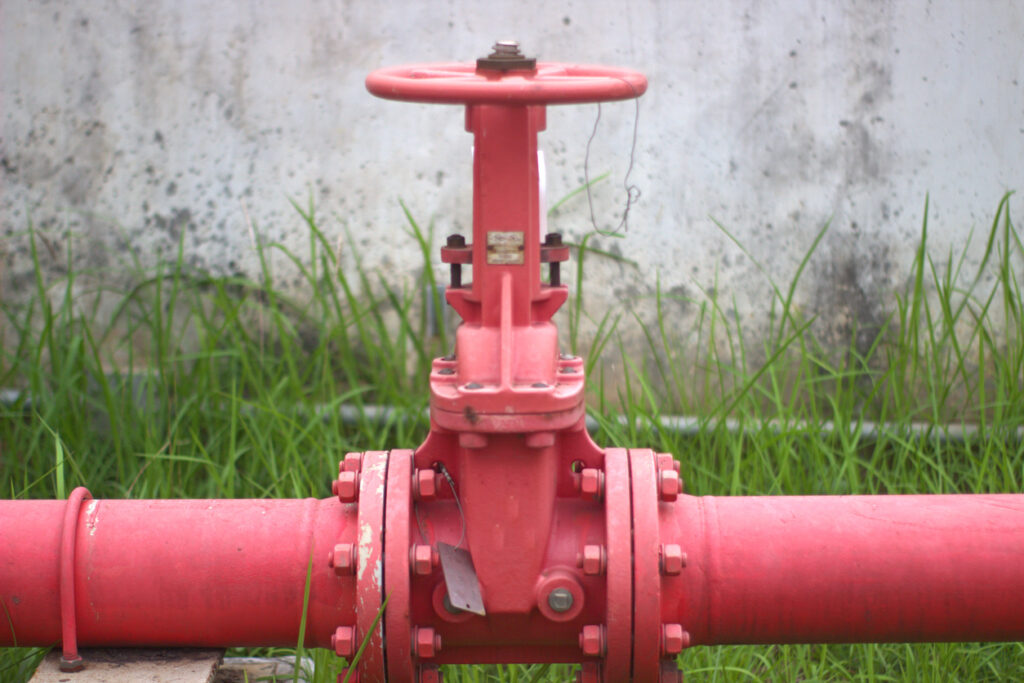
Fire Safety Valves

Understanding the Key Standards: API 607 and ISO 10497

Not every valve that claims to be fire-safe meets the same level of testing. To be considered compliant, it must pass recognised fire-test standards.

API 607 is issued by the American Petroleum Institute. It covers soft-seated quarter-turn valves, such as ball and butterfly valves. During testing, valves are set alight under controlled conditions, and flames can reach up to 1,000°C. After the burn, the valve must still seal properly under pressure using either gas or water testing.

ISO 10497 is the international equivalent and applies to a broader range of valve types. It sets out similar requirements and ensures that valves can withstand fire and maintain performance under realistic conditions.

Both standards are critical for safety-focused industries, and any valve carrying these marks has passed rigorous testing based on real fire scenarios.

How Fire-Safe Valves Are Designed

To pass fire testing, fire-safe valves include features that keep the seal intact when soft parts break down. A common example is a metal-to-metal backup seat. If the primary seat fails due to heat, the metal surfaces form a secondary seal to keep the flow contained.

Graphite gaskets and packing are also used, as graphite won’t degrade at high temperatures like other materials. Other features include anti-blowout stems and reinforced body seals to handle sudden heat spikes and pressure shifts.

These design choices give the valve enough durability to stay functional until the system can be shut down safely.

Fire Safety Valves

Common Applications for Fire-Safe Valves

Fire-safe valves are used wherever there’s a risk of fire or hazardous leaks. This includes oil and gas sites, refineries, chemical plants, power stations, fuel storage, and shipboard systems.

In these settings, a failed valve during a fire can make a bad situation worse. Using certified fire-safe valves reduces that risk and ensures your operation meets legal and industry safety standards.

Choosing the Right Fire-Safe Valve

Always check for valid certification. If a valve is claimed to be fire-safe, the supplier should provide official documentation for API 607 or ISO 10497.

Other factors to weigh up include the pressure and temperature conditions in your system, the type of media running through the valve, and how the valve will be operated (manual, electric, or pneumatic). For example, high-pressure setups may need triple-offset butterfly valves, while other systems could use soft-seated ball valves.

At JCV, we offer a full stock of certified fire-safe valves and can help you find the right match for your installation.

Protect Your Systems with Certified Safety

Choosing a fire-safe valve isn’t about box-ticking, it’s a safety decision. When you’re working with heat or hazardous media, a certified valve can help prevent minor incidents turning into major emergencies.

If you’re updating system specifications or planning a new project, fire protection should be one of the first things you review.

Get Expert Advice and Certified Fire-Safe Valves from JCV

At John Clark Valves, we supply a full range of API 607 and ISO 10497 certified fire-safe valves across the UK. Our team can help you choose the right product and supply all relevant certificates and technical support.

Speak to one of our valve specialists today or request a quote to get started.